
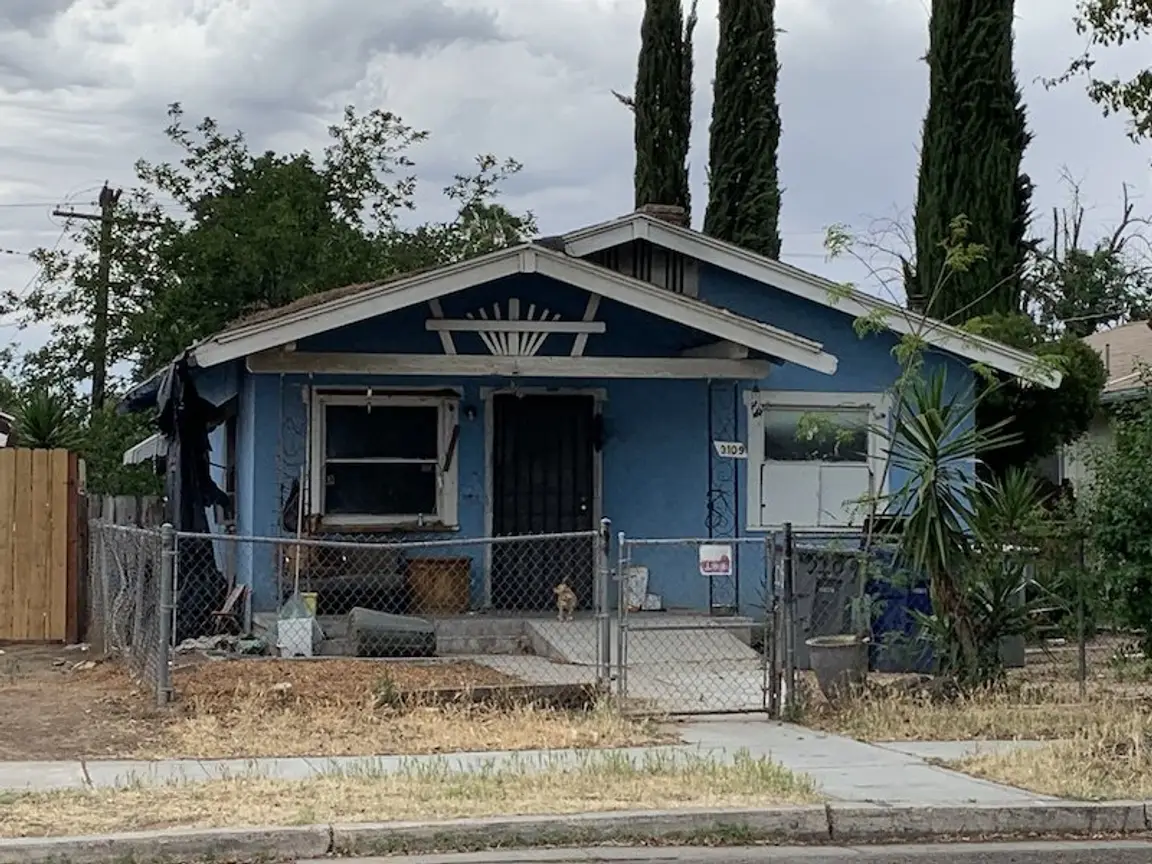
On June 16, 2026, the Fresno County Board of Supervisors adopted Resolution No. 26-245, clearing 161 tax-defaulted properties for a two-day internet auction on September 10 and 11, 2026. Thirty-four of those parcels had already been offered at an earlier sale and failed to draw a bid, so the Tax Collector was also authorized to cut their minimum bids — in some cases by more than half — just to move them. That is where the road ends for a property nobody redeems.
Now put that number against the size of the county. As of the 2026 assessment roll, Fresno County carries 323,727 parcels worth a record $129.01 billion. So the September auction list represents roughly one parcel in every 2,000 — about five hundredths of one percent of the county.
What the data actually shows
Falling behind on a property tax bill is common. Losing a house over it is rare, and it is slow. California runs tax default through a statutory process under Revenue & Taxation Code section 3691 and following, and the Fresno County Tax Collector spells out that the right to redeem does not end until 5:00 p.m. on the last business day before the auction begins. Right up to that afternoon, paying off the balance stops the sale.
Here is the sequence and the math, as of mid-2026:
- First installment is due November 1 and delinquent after December 10; second is due February 1 and delinquent after April 10. A 10% penalty attaches after each date, plus a $10 cost once the second installment goes delinquent.
- If the bill is still unpaid on July 1, the property is declared tax-defaulted, and redemption penalties begin accruing at 1.5% per month — 18% a year — on the defaulted amount.
- The property generally has to sit in default about five years before it becomes subject to the Tax Collector’s power to sell.
- Installment plans of redemption exist; the county also has a penalty-cancellation request process for qualifying situations.
- If a property does sell at auction for more than the taxes owed, former owners and lienholders can file a claim for the excess proceeds within one year of the deed recording.
Two stories get told about this — and one of them is shaky
The data-backed version is the one above: a five-year runway, a published penalty schedule, a redemption right that survives until the eve of the sale, and a claim on any surplus afterward. Painful and expensive, but predictable.
The alarmist version — you will see it in mailers and in tax-lien seminar pitches — is that the county can take your home over a modest unpaid bill, practically overnight. That framing collapses five years of statutory notice into a headline, and it usually exists to sell something: a course, a rescue service, a fee to file paperwork you can file yourself.
Why the gap? Because both stories are describing different points on the same timeline. The alarmist pitch describes the last week. The statute describes the five years in front of it. The 161 parcels headed to auction in September are the small fraction where nobody acted during those five years — often vacant lots, inherited properties with unclear title, or houses whose owners moved and stopped opening the mail. This is general information, not legal advice.
What it means for a Central Valley homeowner
If you are a year or two behind on a house in Fresno, Clovis, Sanger, or Reedley, the practical problem usually is not the auction. It is the 18% annual redemption penalty quietly eating the equity you were counting on. A $6,000 defaulted balance compounding penalties for four years is real money coming out of your eventual sale proceeds.
Back taxes do not have to be paid before you sell. In a normal escrow, the county gets paid off out of closing, the same way a mortgage does. That is true of a listed sale and of a cash sale. What changes is speed and certainty: a traditional listing on a house with deferred maintenance can sit while the penalties keep running, while a cash buyer can close on a set date, as-is. If you want to see what that path looks like on your specific numbers, you can get a cash offer today, or read our full guide to avoiding foreclosure in Fresno. We also work these situations in the surrounding cities — here is how it works if you need to sell a house fast in Clovis.
Two ways to think about it
If you are in Situation A — the house is in decent shape, you want to keep it, and the shortfall came from something temporary like a job gap or a medical stretch — the math favors staying. Call the Tax Collector, ask about an installment plan of redemption, and ask whether your circumstances qualify for penalty cancellation. Every month you stay in default costs 1.5%, so getting on a plan early beats waiting for a better month that may not come.
If you are in Situation B — the tax bill is one symptom among several, the property needs work you cannot fund, it is vacant or inherited, and there is no realistic path to catching up — then the equity is the thing worth protecting, not the property. Selling while you still control the timeline lets the back taxes get cleared at closing and puts whatever is left in your pocket. Waiting until the last business day before an auction hands that decision to strangers with bidding accounts.
What do you think?
If you have dealt with a defaulted tax bill in Fresno County — or you are staring at one right now — what would have helped you most: clearer notice from the county, an easier payment plan, or a straight answer about what the house is worth as-is? Tell us — or reach out and we will walk through your numbers with you.
Step 1
TEXT, CALL OR SUBMIT
YOUR INFO

We review the details of your home and set an appointment to speak with you.
Step 2
WE GIVE YOU A
FAIR CASH OFFER

We get a cash offer to you in 24hrs. No Obligation. No Fees. No Commissions
Step 3
CHOOSE YOUR
CLOSING DATE

We can close on your schedule, fast or slow. Sell your house on your terms.