
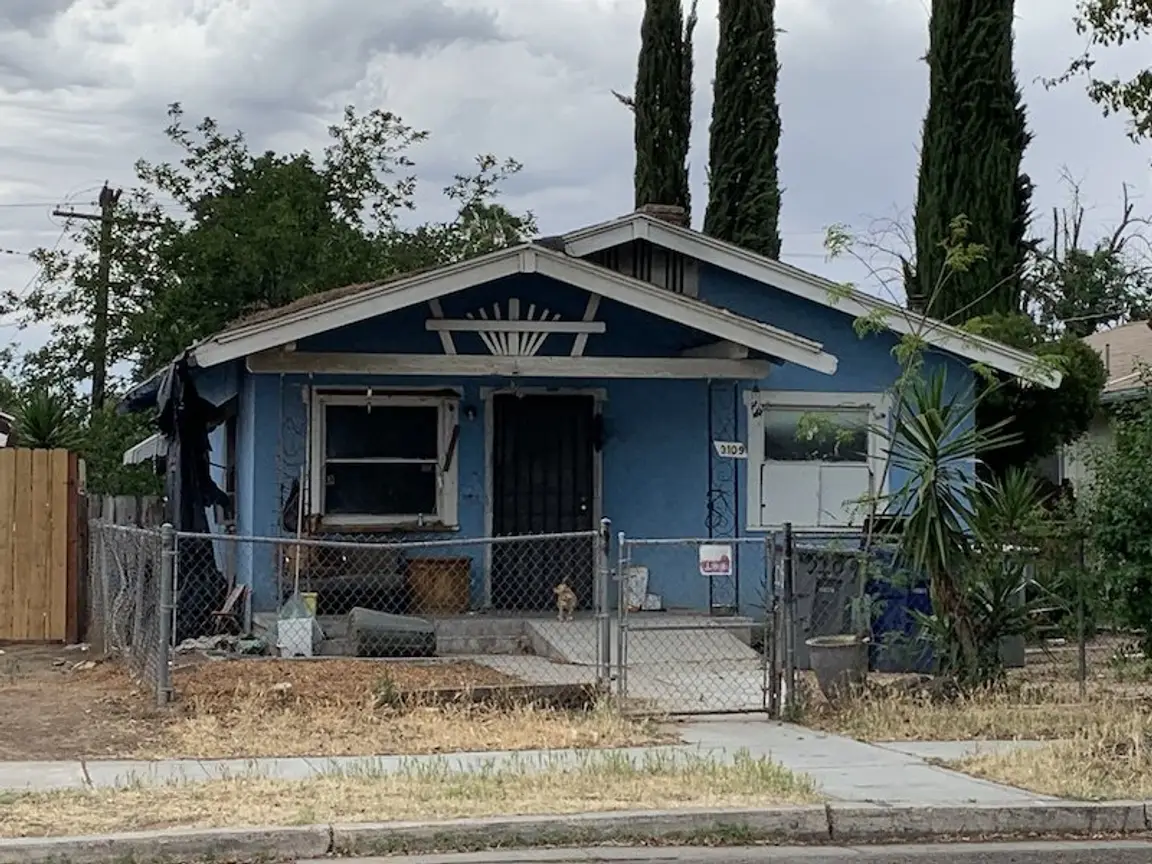
If money has gotten tight and your house is on the line, you are not imagining the pressure — the data backs it up. As of mid-2026, the Mortgage Bankers Association reported that the share of home loans past due climbed to 4.44% in the first quarter, up 40 basis points from a year earlier. Separately, Cotality found the national foreclosure inventory rose to its highest level since 2020, with roughly 77% of U.S. metros seeing foreclosure activity tick up.
In plain terms: more homeowners are falling behind, and the trouble is spreading across the country rather than staying in a few weak markets. The strain is heaviest among people who bought recently and stretched to do it, where high prices, elevated rates, rising insurance, and bigger property-tax bills have squeezed thin household budgets.
Two ways the experts read the same numbers
Here is where the debate lives. The mainstream, data-backed view is that this is a slow softening, not a crash. Foreclosure inventory is still historically low, most owners hold years of built-up equity, and lending standards have stayed far tighter than they were before 2008. The contrarian, alarmist view says rising delinquencies are the first crack in a coming wave of foreclosures and a housing collapse.
Why do they differ so much? Because they weigh different facts. The alarmist take focuses on the direction of the trend — delinquencies and foreclosures are clearly rising. The data-backed take focuses on the cushion underneath it: unlike 2008, when millions owed more than their homes were worth, most owners today have real equity to fall back on. That single difference is the reason a rough patch in 2026 looks nothing like the meltdown of a generation ago. The shaky claim — “it’s 2008 all over again” — doesn’t hold up against the equity math.
What it means for a Central Valley homeowner
For a Fresno or Clovis owner going through a hardship — a job loss, a medical bill, a divorce, or simply a mortgage that outgrew the paycheck — the equity cushion is the good news. It usually means you have options that a 2008-era owner did not. You are far more likely to be able to sell the house, pay off what you owe, and walk away with cash in hand instead of losing it at auction. The catch is timing: those options shrink the longer you wait, especially once late payments start stacking up.
That is exactly why a lot of hardship sellers look at a cash sale. A traditional listing can take months, requires repairs and showings, and hinges on a buyer’s financing clearing. A cash offer trades a little price for speed and certainty — no repairs, no agent commissions, and a closing date you help pick. If you want to see what that path looks like for your situation, you can request a no-obligation cash offer today, or read our full guide on how we buy houses fast across the Central Valley and what to expect if you’re selling a house fast in Clovis, CA.
This is general information, not legal advice. If you are already behind on payments or facing a foreclosure notice, talk to a HUD-approved housing counselor or an attorney about your specific rights.
Two ways to think about your next move
- If you can still make payments but see the strain coming: you have room to plan. List on the open market if the house is in good shape and you can wait for retail price, or line up a backup cash offer so you’re never forced into a fire sale. Time is your friend here — use it.
- If you’re already behind, or a hard deadline is bearing down: speed and certainty matter more than squeezing out the last dollar. A fast cash sale lets you settle the loan before late marks and foreclosure costs eat your equity, and it puts a firm closing date on the calendar so you can move on. In this lane, protecting the equity you have beats chasing a higher number you may not have time to reach.
The honest answer for most owners is that hardship is manageable when you act early — the equity most people hold today is a real safety net, but only if you use it before the clock runs out.
What do you think?
Are you seeing rising costs squeeze your own budget, or do you think the delinquency headlines are overblown? If you’re weighing a sale during a tough stretch, tell us where you stand » reach out and we’ll walk through your options, no pressure.
Step 1
TEXT, CALL OR SUBMIT
YOUR INFO

We review the details of your home and set an appointment to speak with you.
Step 2
WE GIVE YOU A
FAIR CASH OFFER

We get a cash offer to you in 24hrs. No Obligation. No Fees. No Commissions
Step 3
CHOOSE YOUR
CLOSING DATE

We can close on your schedule, fast or slow. Sell your house on your terms.