
If you have been searching for a way to sell your Fresno house fast, you have probably run into two very different pitches that sound almost the same: national “iBuyer” apps like Opendoor, and local “we buy houses” cash investors. They both promise a quick, no-hassle sale — but they are not the same business, and the difference can be worth tens of thousands of dollars. As of mid-2026, Opendoor still controls roughly 67% of the U.S. iBuying market, yet iBuyers as a category still make up less than 0.5% of all home purchases. After years of shrinking, the model is showing life again: Opendoor went under contract on more than 5,000 homes in the first quarter of 2026, on top of the 8,241 homes it bought in 2025.
Here is the short version of what that data shows: the iBuyer category is back on its feet but still tiny, still concentrated in one company, and still very picky about which houses it will touch. That leaves a big gap that local cash buyers fill — and understanding the gap is how you avoid leaving money on the table.
What each one actually pays
An iBuyer is a tech company that uses an algorithm to make a fast offer, then resells the home. Industry reviews put a typical iBuyer offer at 70% to 85% of fair market value, and then a service fee is subtracted on top — historically around 5%, though in 2026 Opendoor now shows a variable fee that changes deal by deal — plus repair credits after the inspection. A local “we buy houses” investor also builds repair costs, holding costs, and a resale margin into the number, but the process is different: instead of a purely automated price, it usually starts with a short call and an in-person walkthrough to confirm condition and timing.
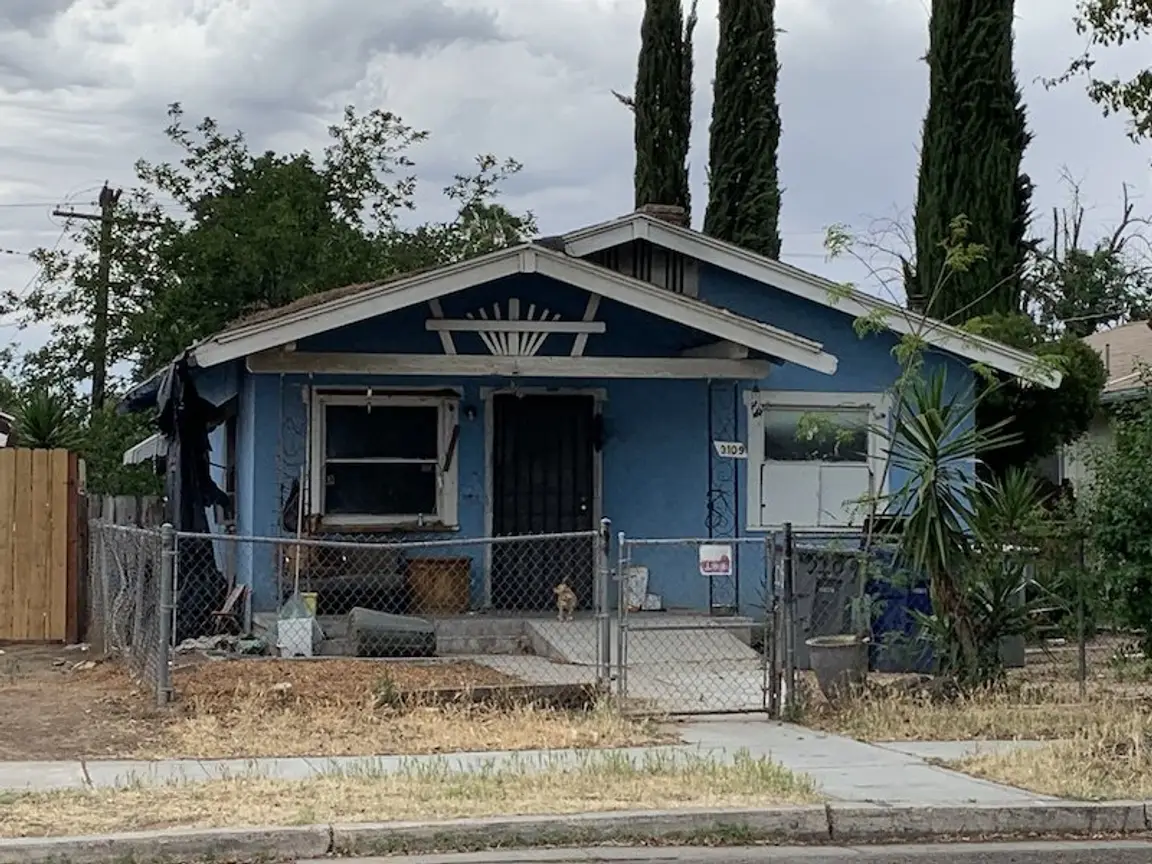
The bigger difference is which houses each will buy. iBuyers concentrate on newer, cookie-cutter single-family homes — often priced between $100,000 and $600,000 — and most of them will not touch manufactured homes, unpermitted additions, or houses with major structural problems. Local cash buyers are built for exactly those situations: inherited homes, rentals with deferred maintenance, fire or foundation damage, and properties that would struggle to pass a traditional appraisal.
Two camps, one noisy debate
There are two ways people talk about this online, and they are not equally supported by the data. The mainstream, numbers-backed view is that iBuyers and local investors are complementary tools for different homes: iBuyers win on convenience for a clean, move-in-ready house in a major metro, while local buyers win on distressed, complicated, or lower-price-band properties the algorithms skip. The more contrarian, alarmist take is that “they are all the same” — that every cash buyer lowballs you by an identical amount, so it does not matter who you call.
The reason those views differ is that the alarmist version ignores eligibility. If your house is older, needs work, or sits outside an iBuyer’s footprint, the iBuyer offer is not “a little lower” — it is often no offer at all. Fresno and the wider Central Valley have a lot of exactly that kind of home, which is why the “all cash buyers are identical” claim falls apart the moment you look at what each will actually close on.
What it means for a Central Valley homeowner
If you own a home in Fresno, Clovis, or anywhere in the Central Valley, the practical takeaway is to match the buyer to your house. A well-kept, recently updated home in a subdivision may get a competitive iBuyer number worth comparing. But if your property has deferred repairs, tenants, code issues, or an inherited title to sort out, a local buyer who will walk the property and work around your timeline is usually the more realistic path. That is the lane we focus on at Big Buys Houses — you can see how a real, no-obligation number works on our cash home buyers guide, get a figure for your specific house on our cash offer page, or read how we help sellers in Clovis move fast.
Two ways to think about it
- If your house is newer and move-in ready: get an iBuyer estimate as one data point, then get a local cash number to compare side by side. On a clean home the gap can be small, and having two offers gives you real leverage to pick the better net price and closing date.
- If your house needs work, has tenants, or came to you through probate or hardship: an iBuyer will likely decline or heavily discount it, so a local buyer who does an in-person walkthrough and buys as-is is usually your fastest, cleanest exit — no repairs, no showings, and a closing date you choose.
Neither route is “better” for everyone. The right answer depends on your home’s condition, your timeline, and how much certainty you want. The mistake is assuming the two are interchangeable and only calling one » because for a lot of Central Valley homes, only one of them will actually close.
What do you think? Have you gotten an offer from an iBuyer and a local buyer on the same house — and how far apart were the numbers? Reply or reach out and tell us; we are always curious how these stack up here in the Valley.
Step 1
TEXT, CALL OR SUBMIT
YOUR INFO

We review the details of your home and set an appointment to speak with you.
Step 2
WE GIVE YOU A
FAIR CASH OFFER

We get a cash offer to you in 24hrs. No Obligation. No Fees. No Commissions
Step 3
CHOOSE YOUR
CLOSING DATE
We can close on your schedule, fast or slow. Sell your house on your terms.